Log splitters, wood processing
Preparing firewood takes time, strength and health: an axe “eats up” hours, and your back is quick to remind you of it. Firewood splitters and wood processing equipment from TechnoMashStroy take over the hardest operations — from cutting logs and feeding raw material to splitting and loading finished firewood.
What wood processing equipment you will find in the catalog
The range consists of machines for individual operations that combine easily with one another. To make it easier to navigate, let's group them by task.
Splitting firewood
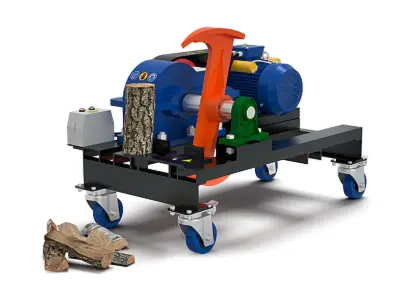
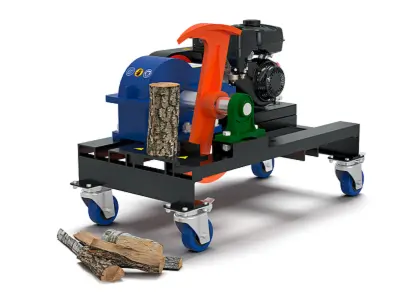
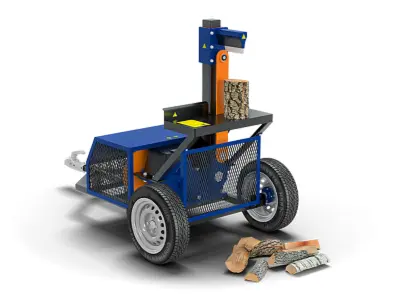
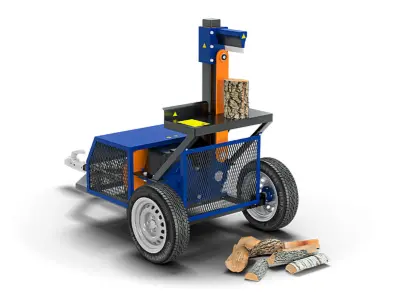
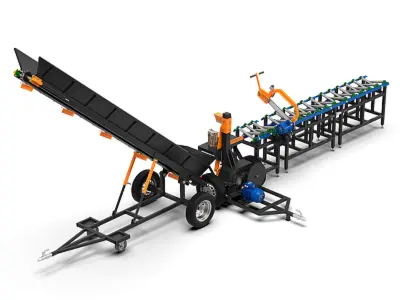
The core of the category is gear-driven log splitters DK-600 (splitting-axe type) and DRM-50 (rack type). Each model is available with an electric or gasoline drive, so the equipment can be used both in a workshop and on a site without mains power. Wheeled frames let you roll the machine up to the pile of logs instead of carrying wood to the machine. For large volumes, there is an automatic firewood splitting line that combines feeding, processing and splitting into a single technological process.
Cross-cutting and preparing logs
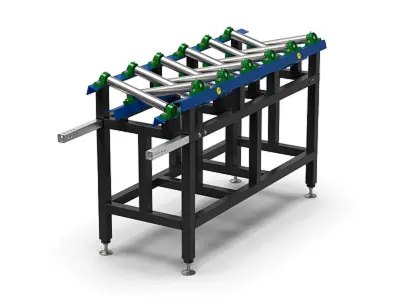
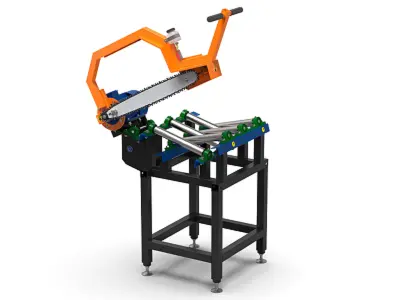
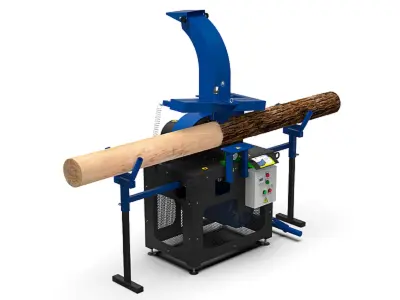
Before splitting, long roundwood must be cut into billets of equal length — the VIRK-25 log saw handles this. If the wood is intended not only as fuel but also for construction or further processing, a debarking machine for removing bark will come in handy. Heavy workpieces are moved between workstations with a roller conveyor, which spares workers from carrying them by hand.
Transportation and processing
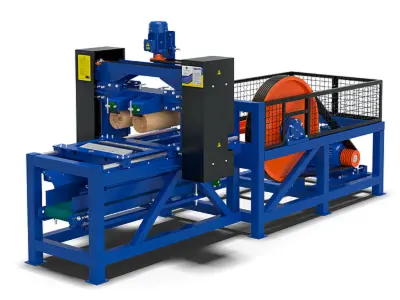
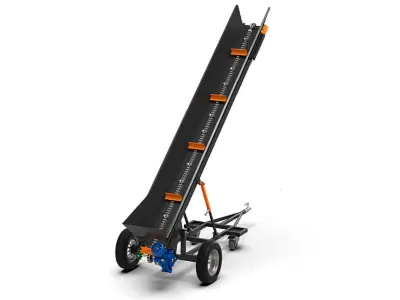
An inclined belt conveyor delivers finished firewood to a pile, truck bed or bin, saving hours of physical work. The SDSH machine produces wood wool (excelsior), which is used as packaging material, bedding or filler.
All items can be purchased separately, and the line can be expanded gradually — starting with a log splitter and adding other machines as your volumes grow.
Electric or gasoline log splitter: what to consider
The electric version is convenient where mains power is available: in a yard, workshop or warehouse. It runs more quietly, produces no exhaust and is simple to operate every day, but it requires an appropriate power supply.
The gasoline version stands out for its autonomy: it can be used at a remote site or near a felling area where there is no electricity. In return, you need to factor in fuel costs and regular engine maintenance.
Regardless of the drive type, place the splitter on a level surface and work in sturdy gloves and safety goggles. Mechanized splitting is more predictable and safer than manual splitting, provided you follow the operating instructions.
DK-600 or DRM-50: what is the difference
These log splitters differ in the design of the working mechanism — splitting-axe type and rack type. In practice, this affects how convenient it is to feed logs and how you work. Compare the models in the product cards above or call our specialists: they will advise which one best suits your volume and the way you harvest firewood.
Who this equipment is for
- owners of private houses and farmsteads who heat with firewood;
- farmers and agricultural enterprises;
- companies that harvest and sell firewood;
- sawmills and carpentry workshops that work with roundwood;
- manufacturers of packaging materials made from wood wool.
Wood waste can also be put to good use: turn it into chips with branch chippers or drum-type wood chippers, and then make fuel briquettes on briquette presses or pellets on pelletizers.
Five questions to ask before buying
- How much firewood do you need to prepare per season — for your own needs or for sale?
- What diameter and length of logs do you plan to process?
- Is mains power available at the work site, or do you need a self-contained machine?
- Do you need a single operation (splitting) or a complete solution with cross-cutting and conveying?
- How much space is there for the equipment and for storing finished firewood?
Pay special attention to the layout of the work area: it is convenient to stack logs on one side and move finished firewood away on the other, so that the flows do not cross. If you are not sure about the answers, contact our managers — they will help you choose a model for your tasks.
Practical operating tips
To keep the equipment working reliably for years, follow a few simple rules. Before starting work, inspect the fasteners and guards, monitor the condition of the gearbox and lubrication according to the manual, and do not overload the machine with logs beyond its capabilities. After work, clear the work area of chips and bark — this reduces wear on the mechanisms and makes the next start-up trouble-free. If you have questions about maintenance, our specialists are happy to advise.
Why choose TechnoMashStroy
We are a Ukrainian manufacturer of agricultural and processing equipment with production in Cherkasy. By buying directly from the manufacturer, you can clarify the configuration, discuss the specifics of your task and get answers from people who know the equipment inside out.