Galvanized feed storage bins
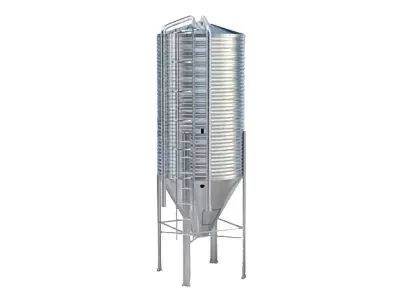
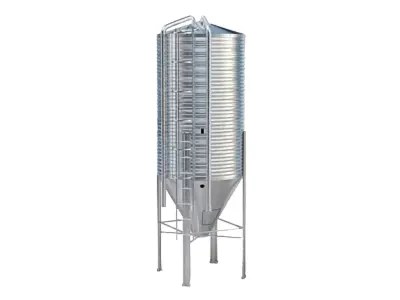
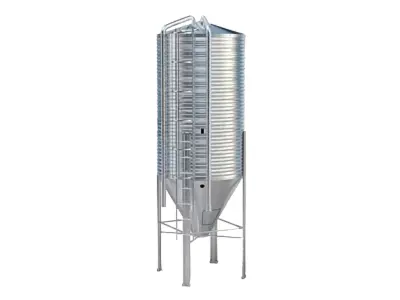
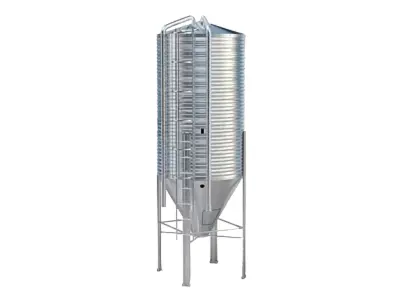
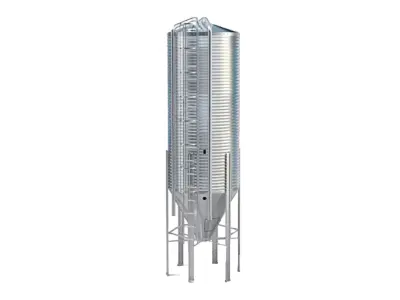
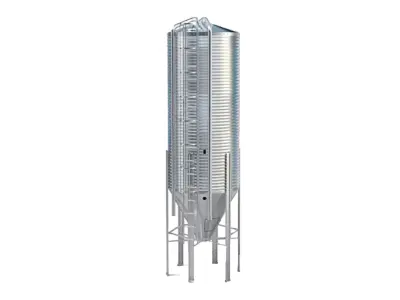
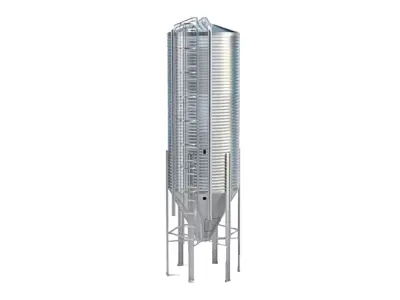
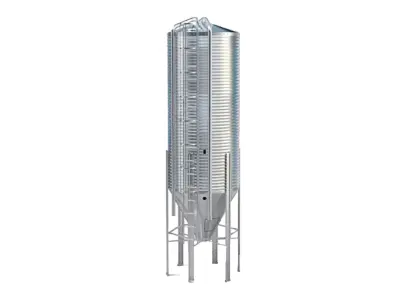
Professional galvanized feed storage bins (outdoor feed silos) are a vital component of modern livestock and farming infrastructure, providing dependable environmental protection, long-term nutrient preservation, and mechanized discharge of bulk materials. Compound feed, pelleted blends, protein concentrates, oilcake meals, and forage grains are exceptionally vulnerable to ambient moisture, temperature swings, and fungal spoilage. Even minor dampness causes material caking, degradation of vitamin-mineral premixes, and batch loss. Installing hermetic metal silos eliminates feed wastage, seals crops away from rodents and wild birds, and maintains optimal microclimatic conditions across your feed inventory.
Engineering Design Features and Protective Properties of Silos
Outdoor installation requires feed storage bins to withstand harsh weather, temperature fluctuations, and heavy wind loads. Long-term structural integrity is achieved through proven engineering solutions:
- Heavy-gauge corrugated steel: silo sidewalls are rolled from high-tensile sheet steel with an enhanced galvanization coating (275–350 g/m²), preventing corrosion and reflecting solar radiation to keep stored feed from overheating;
- Corrugated wall profile: wave-pattern corrugation delivers superior resistance against high internal radial pressures while keeping total structure weight optimized;
- Optimized cone angle: the bottom discharge hopper with a 60° slope angle (or 45° for free-flowing whole grains) guarantees smooth gravity-flow discharge without bridging, rat-holing, or dead stock accumulation;
- Rigid structural support frame: heavy vertical support legs and diagonal bracing distribute weight evenly across the concrete slab, ensuring stability against storm-force winds;
- Weather-tight joint sealing: panel seams are sealed with durable elastomeric gaskets, and structural bolts are fitted with resilient sealing washers to completely prevent rainwater or melting snow from leaking inside.
Loading, Unloading, and Ventilation Systems
The technological equipment of galvanized silos eliminates arduous manual labor during feed delivery and distribution:
- Pneumatic filling: the silo is equipped with an external steel filling pipe with quick-connect couplings for feed delivery trucks and a dedicated exhaust decompression pipe with a cyclone separator to release air pressure without emitting dust clouds;
- Mechanical loading: alternative filling via the top roof hatch using external lifting equipment, such as vertical grain bucket elevators or mobile augers;
- Level inspection: transparent, impact-resistant polymer sight glasses allow operators to check stored feed levels from the ground without climbing to the roof;
- Natural cross-ventilation: engineered roof vents promote free exhaust of warm air, protecting internal wall surfaces from condensation build-up;
- Discharge assembly: the bottom hopper collar features a manual slide gate and connects directly to screw conveyors or boot adapters for flexible spiral feeding lines.
Zootechnical and Operational Advantages of Storing Feed in Silos
- Enhanced biosecurity: complete feed isolation protects rations from wild birds and rodents, eliminating vectors of salmonellosis, pasteurellosis, and other infectious diseases;
- Nutrient preservation: shield against UV rays and humidity stops lipid oxidation and the breakdown of heat-sensitive vitamins in finished feeds;
- Pellet integrity protection: gentle mass flow down the steep hopper cone protects pellet geometry, preventing crumbling and excessive fines;
- Floor space optimization: outdoor installation next to livestock barns frees valuable indoor space for extra animal housing;
- Lower feed costs: bulk purchasing or in-house feed manufacturing is significantly cheaper than bagged feed, while complete mechanization cuts labor overhead.
Integration into a Unified Production Flowsheet
Galvanized silos serve as the primary link between feed preparation facilities and animal barns. Raw grain pre-cleaned with grain cleaning and sorting equipment is routed into on-farm feed mills or blended inside industrial feed mixers. The finished rations can be pelletized on granulation lines or processed through extruders, then transferred by bucket elevators or pneumatic conveyors into the storage bin for buffer holding and automatic delivery to feeding troughs.
Selection Criteria for Farm Feed Silos
Selecting the right silo depends on herd size, feed replenishment intervals, and physical material characteristics:
- Storage capacity calculation: capacity should cover daily herd intake with a reserve buffer of at least 4 to 7 continuous feeding days;
- Hopper cone angle: a 45° slope is suitable for whole grains, whereas mash feeds, meals, and pelleted feeds require a steeper 60° cone for dependable flow;
- Safe maintenance access: an external access ladder with a safety cage and roof handrails ensures safe, comfortable inspections between feed batches.
Modern galvanized silos provide stable feed quality preservation, eliminate losses from vermin and precipitation, and minimize operating costs across commercial farming operations.