Extrusion lines
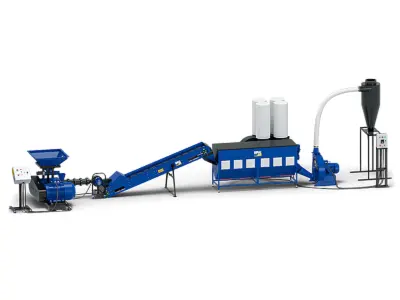
Investing in automated extrusion lines is a strategic step for agribusinesses, livestock farms, and commercial feed mills aiming to achieve maximum feed conversion rates and rigorous sanitary safety. Dry extrusion combines short-time high-temperature and barothermal processing under high pressure. This thermo-mechanical treatment fundamentally transforms the physical structure and biochemical composition of cereals, legumes, and feed blends, turning hard-to-digest starches and proteins into readily available nutrients. Specialized processing lines maintain an uninterrupted cycle — from initial grain metering to cooling and stabilizing the finished extrudate in the form of porous pellets, flakes, or sticks.
Biochemical and Zootechnical Benefits of Feed Extrusion
Conventional mechanical crushing of raw grain fails to neutralize anti-nutritional factors, fungal pathogens, and poorly accessible complex carbohydrates. As raw materials pass through the barrel of the extrusion plant, profound structural transformations occur:
- Deep starch dextrinization: under high temperatures (up to 130–170 °C) and mechanical shear, insoluble starch breaks down into simple sugars and dextrins, raising carbohydrate digestibility from 50–60% up to an impressive 90–95%;
- Inactivation of anti-nutritional factors: in pulses (especially full-fat soybeans), heat-labile trypsin inhibitors, urease, and hemagglutinins are completely neutralized, allowing safe direct feeding of freshly processed full-fat soy without digestive disorders;
- Total sanitary sterilization: a momentary pressure surge up to 30–50 atmospheres instantly destroys mold spores, Salmonella, and E. coli bacteria while neutralizing toxic metabolic byproducts;
- Structural protein denaturation: complex protein structures denature, becoming easily digestible for the delicate digestive systems of young calves, piglets, and poultry;
- Enhanced palatability and aroma: caramelization of natural sugars gives the extrudate a pleasant roasted bread-and-nut flavor, encouraging higher daily intake and eliminating feed refusal.
Architecture and Functional Modules of the Extrusion Line
A high-performance extrusion production line operates as a well-balanced equipment complex where each functional unit is synchronized by capacity and feed rate:
- Pre-cleaning and preparation module: incoming grain is separated from impurities and forwarded for primary crushing to ensure uniform bulk density across the process;
- Conditioning and moisture stabilization: ingredients can be blended with premixes or conditioned with moisture (12–16%) to maintain optimal friction and pressure inside the screw barrel;
- Precision volumetric metering feeder: delivers a smooth, steady material stream into the intake throat without motor amperage spikes or uneven surging;
- High-pressure extruder press: the engineering core of the system, where mechanical friction and compressive forces melt the raw mixture into a viscoelastic dough that flash-expands as it exits through the shaping die;
- Cutoff and pelleting module: an adjustable high-speed rotary cutter slices the emerging continuous rope into uniform feed pellets, flakes, or expanded sticks;
- Counterflow cooling and transport section: extracts residual moisture and removes process heat, preventing condensation build-up and mold growth prior to bagging.
Processing Versatility and Raw Material Base
These production lines are engineered to process single grains as well as complex multi-ingredient formulas. The plant handles:
- Cereal grains: corn, feed wheat, barley, rye, triticale, millet, and oats;
- Legumes and oilseeds: raw soybeans (yielding full-fat extruded soybean meal), feed peas, lupins, and vetch;
- By-products and balanced blends: wheat bran, screening by-products, oilcakes, and meals enriched with mineral concentrates or meat-and-bone meal;
- Food-grade groats: degermed corn grits and rice for producing crispy puffed snacks and breakfast cereals.
Economic Impact of Adopting Extrusion Technologies
Integrating extruded rations fundamentally reshapes farm economics. Highly bioavailable nutrients reduce total concentrated feed consumption by 20–30%. Daily weight gains in piglets and young cattle rise by 15–25%, significantly shortening the finishing period before market. In poultry farming, clean feeds improve egg production stability and chick survival rates. Furthermore, extrusion allows safe valorization of lower-grade or weathered feed grain: thermal sterilization eliminates mycotoxins and restores feed value.
Integration into a Unified Production Flowsheet
To establish a fully automated loop, extrusion plants integrate seamlessly with upstream and downstream machinery. Incoming feedstocks are pre-cleaned via dedicated grain cleaning and sorting equipment, shielding processing screws against abrasive wear. Reliable material transfer across plant levels is maintained by heavy-duty screw conveyors, while pre-extrusion homogeneity is achieved using a batch feed mixer.
The stabilized extrudate can be fed directly, mixed into compound feeds, or routed into complete granulation lines to form durable commercial pellets for long-term storage. When processing oilseeds, hot extruded soybean mash is frequently directed into continuous oil presses for simultaneous mechanical extraction of virgin oil and premium feed cake. For decentralized on-farm needs, standalone extruders can also be deployed.
Selection Criteria for the Optimal Extrusion Line Configuration
Selecting the appropriate machinery depends on production goals, power availability, and targeted output volumes:
- Target output capacity: calculated according to livestock herd headcounts or commercial bulk packaging schedules per shift;
- Raw material characteristics: high-oil seeds like soybeans require tailored screw flight geometry to prevent slippage in the pressure barrel;
- Control automation: central control panels equipped with frequency inverters allow operators to fine-tune material feed, monitor motor load, and stabilize thermal conditions in real time;
- Finished product format: selecting specialized die plates and cutter blades to yield fine crumbles, porous flakes, or calibrated feed sticks.
A properly configured extrusion processing line delivers complete feed autonomy, guarantees superior feed hygiene, and drives substantial profitability across livestock and agro-processing businesses.