Pumpkin harvesting equipment / pumpkin windrowers
Commercial pumpkin seed cultivation is one of the most profitable sectors of modern agribusiness, with constantly growing demand in the food, pharmaceutical, and cosmetic industries. However, the final return on investment depends directly on the speed and precision of the harvesting campaign. Manual harvesting across extensive acreage causes considerable time loss, inflates seasonal labor expenses, and increases the risk of fruit spoilage from sudden autumn frosts or prolonged rainfall. Specialized pumpkin harvesting equipment and pumpkin windrowers deliver comprehensive field automation, significantly shorten harvesting schedules, and guarantee maximum preservation of seed quality.
Two-Stage Mechanized Harvesting Technology for Cucurbits
Modern pumpkin harvesting relies on a two-stage field processing approach that separates the workflow into two synchronized operations:
- Windrow formation: gathering scattered pumpkins across the field into uniform, continuous longitudinal rows to open clear drive paths for tractor wheels;
- Pick-up, crushing, and separation: mechanized intake of fruits by the pumpkin harvester, crushing of the pulp in the milling unit, seed separation via an internal perforated drum, and direct return of the crushed organic pulp back onto the soil.
This two-step process prevents tractor wheels from crushing the crop, optimizes the number of machine passes, mitigates severe soil compaction, and allows harvesting combines to maintain a stable, high operational speed.
Pumpkin Windrowers: Operating Tasks and Functional Value
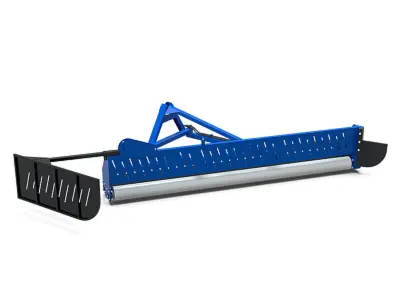
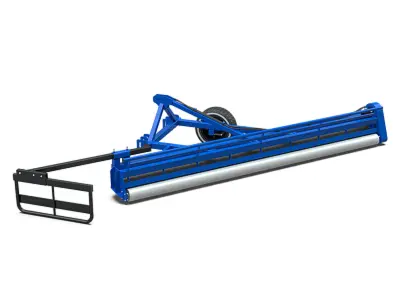
A tractor-mounted pumpkin windrower (windrow former) gathers fruits from inter-row spaces into a single, uniform swath prior to the arrival of the pumpkin harvesting combine.
- Gentle crop displacement: engineered deflectors move the pumpkins smoothly across the field without cracking or scratching the rind, eliminating post-harvest rot if threshing is temporarily delayed;
- Clearing tractor wheel tracks: displacing the crop away from tractor tires completely prevents inadvertent crushing during machinery movement;
- Adaptability to row spacings: adjustable working shields and gauge supports allow seamless configuration for diverse planting layouts;
- Precise field contour hugging: floating mounting of support components prevents the ground edge from digging into the soil, keeping dirt, mud, and field stones out of the formed windrow.
Pumpkin Harvesting Combines: Working Principle and Field Separation
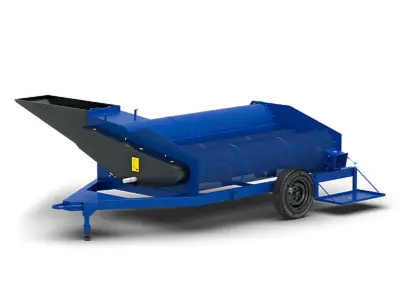
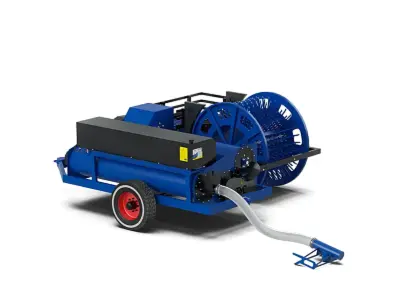
A trailed pumpkin harvester combine executes on-site separation of seeds from the fibrous pulp directly in the field, powered by the tractor’s power take-off (PTO) shaft.
- Intake and crushing: pumpkins enter the intake hopper (via a mechanical pick-up header or manual loading), where a high-torque rotary crusher breaks them down into coarse pieces;
- Rotary drum separation: the crushed mass passes into a large cylindrical perforated screening drum. As the drum rotates, seeds fall through calibrated apertures, while rind fragments and fibrous matter are discharged out the rear;
- Integrated water-rinsing system: connecting a dedicated washing circuit with water spray nozzles washes away sticky sugary juice and fine plant debris directly during separation;
- Discharge and organic soil enrichment: wet seeds are collected into receiving containers, while crushed fruit pulp is evenly spread across the soil surface as valuable natural organic fertilizer.
Agronomic and Economic Benefits of Complete Mechanization
- Drastic reduction in labor expenses: automating field collection and crushing cuts the need for seasonal hand-harvesting crews many times over;
- Weather risk mitigation: high harvesting throughput allows producers to conclude threshing safely before early autumn frosts and heavy rains begin;
- Seed coat integrity: calibrated drum geometry avoids micro-cracks in the seed hull, which is vital for preserving seed germination rates and high oil content;
- Lower production costs: high cleanliness directly out of the field substantially cuts down subsequent washing, drying, and logistics expenditures.
Post-Harvest Seed Conditioning and Processing
Freshly harvested pumpkin seeds emerge with high moisture content and require immediate post-harvest processing. A complete processing flowsheet typically incorporates:
- Seed drying: rapid moisture reduction down to a standard 8–9% utilizing perforated flat-bed aeration units or continuous drying complexes;
- Precision cleaning and grading: seed lot fractionation, removal of shriveled seeds, and dust extraction using multi-fraction grain cleaning and sorting equipment;
- Gentle material handling: non-abrasive conveyance of dry seeds through industrial inclined and horizontal screw conveyors;
- Oil extraction: deep processing of high-grade raw seeds into premium cold-pressed virgin oil utilizing continuous screw oil presses.
Selection Criteria for Pumpkin Harvesting Machinery
When selecting an equipment set, agricultural enterprises should assess field acreage, ground topography, and tractor specifications:
- Tractor compatibility: matching tractor horsepower, three-point linkage load capacity, and PTO input speed requirements (540 / 1000 RPM);
- Windrower working width: sizing the machine to the crop planting scheme to gather pumpkins across multiple rows in a single pass without dragging along neighboring beds;
- Pressurized water-rinse system: an onboard autonomous water pump and spray manifold are vital for working with pumpkin varieties that feature thick, sticky placental pulp;
- Separation screen hole diameter: chosen according to seed geometry (hull-less styrian varieties, oilseed types, or thick-shelled large confectionery pumpkins).
Deploying dedicated pumpkin windrowers and trailed harvesters creates a streamlined, non-stop technological cycle, eliminates field yield losses, and maximizes profitability per hectare.