Presses for waste paper, recyclables, PET bottles
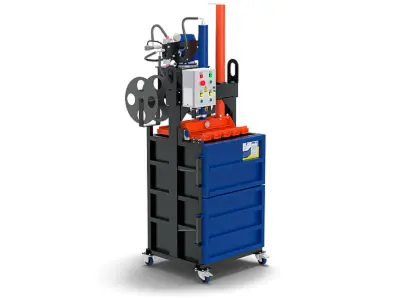
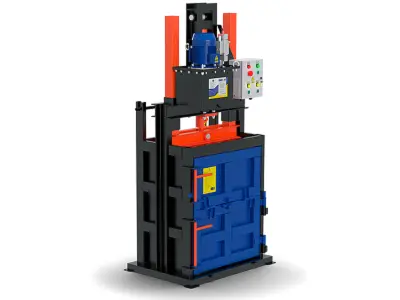
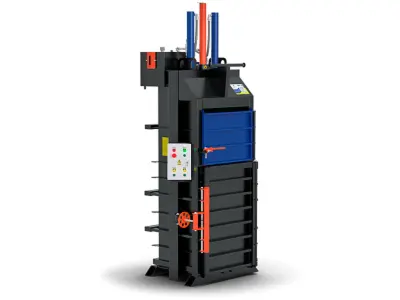
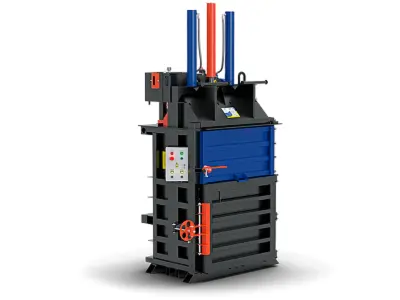
The storage and accumulation of packaging and manufacturing waste is a major operational challenge for modern retail enterprises, warehouse complexes, logistics terminals, print shops, and industrial plants. Discarded corrugated cardboard, packaging boxes, paper offcuts, used stretch film, and empty plastic bottles are characterized by extremely low bulk density. In their raw form, these materials occupy valuable floor space in workshops and warehouses, block transport aisles, increase fire hazards, and generate massive waste-hauling expenses by effectively paying to transport air.
Vertical hydraulic baling presses for waste paper and recyclables of the PMK series from the manufacturer TechnoMashStroy are engineered to rapidly and efficiently reduce waste volume by 5 to 10 times. The equipment compresses loose scrap into dense, uniform bales that are easy to stack, transport using manual pallet jacks, load into freight trucks, and profitably sell to recycling facilities.
Model Range of PMK Hydraulic Baling Presses from TechnoMashStroy
The plant's engineering division developed a versatile lineup of baling equipment tailored to varying scrap generation volumes — from compact retail locations to large waste sorting facilities and logistics hubs:
Hydraulic Recyclables Baler PMK-5 "Mini"
The PMK-5 "Mini" is a compact vertical baler delivering 5 tons of pressing force. It is an optimal choice for small retail stores, convenience shops, restaurants, hotels, pharmacies, automotive service centers, and maintenance workshops. Its small footprint allows installation in utility rooms or covered loading ramps with limited space. The machine produces tidy bales that can be easily unloaded and maneuvered by a single operator using a standard manual pallet jack.
Hydraulic Recyclables Baler PMK-10 "Optima"
The PMK-10 "Optima" (PMK-10 "Opti") is the most versatile model in the series, featuring a 10-ton compaction force. This equipment is designed for chain supermarkets, medium-sized distribution centers, shopping malls, commercial printing plants, and regional scrap collection yards. The press provides an ideal balance of physical dimensions, cylinder cycle speed, and finished bale density.
Hydraulic Recyclables Baler PMK-18 "Maxi"
The PMK-18 "Maxi" is engineered for heavy-duty workloads with an 18-ton compression force. This unit is commonly installed in large logistics warehouses, furniture factories, wholesale distribution centers, and manufacturing plants with a continuous output of corrugated cardboard and polymer packaging film. Its heavy-duty hydraulic power pack produces dense, heavy bales, enabling logistics managers to maximize truck payload capacity without exceeding cargo volume limits.
Industrial Hydraulic Baler PMK-28
The flagship PMK-28 industrial baler generates a formidable working force of 28 tons and is designed for high-capacity recycling depots, municipal sorting facilities, and large industrial combines. An enlarged loading aperture, massive pressing platen, and powerful hydraulic drive allow it to effectively bale resilient and springy materials — thick-walled plastic drums, aluminum beverage cans, plastic canisters, and large sheets of dense multi-wall cardboard.
Design Features and Operating Principles of PMK Balers
The working principle of a vertical hydraulic baler is based on compressing waste loaded into the chamber using a downward-moving steel platen driven by a high-pressure hydraulic cylinder. Hydraulic fluid is supplied from an integrated power pack through a high-precision directional control valve.
The structural reliability and operational functionality of TechnoMashStroy balers are achieved through the following engineering solutions:
- Reinforced Welded Frame: The heavy-duty structural frame is fabricated from thick-walled structural steel with stiffening ribs, preventing frame distortion or guide column misalignment even under maximum pressing loads.
- Retaining Retract Claws (Anti-Rebound Teeth): The internal chamber walls feature specialized spring-loaded retaining claws that hold compressed material down when the platen returns upward, preventing expansion of cardboard or PET bottles during subsequent reloading.
- Engineered Manual Baling System: Specially aligned guiding channels in the pressing platen and chamber floor allow the operator to quickly thread polyester strapping or soft baling wire around the bale and secure it before opening the discharge door.
- Mechanized Bale Ejection: To eliminate manual lifting, the presses are equipped with a mechanical tipping or chain-driven ejection system that automatically tilts the finished bale out of the chamber onto a pallet or trolley as the cylinder retracts.
- Comprehensive Safety Interlocks: The electrical control panel includes limit safety switches that automatically cut off ram movement if the chamber doors are opened, alongside a prominent emergency stop mushroom push button.
Which Materials Can Be Baled with TechnoMashStroy Presses?
PMK series vertical balers are versatile machines designed to compress a broad variety of solid commercial, municipal, and industrial secondary recyclables:
- Paper and Cardboard Waste: 3-ply and 5-ply corrugated cardboard, packaging boxes, winding cores and tubes, office archive paper, newspapers, magazines, and printing offcuts.
- Polymer Films and Materials: Stretch wrap (LLDPE), shrink film (LDPE), plastic shopping bags, primary raw material sacks, foam rubber cutoffs, and spunbond nonwoven fabrics.
- PET Bottles and Hollow Plastic Packaging: Mineral water and carbonated beverage bottles, household chemical and cosmetic containers, plastic canisters, and disposable plastic tableware.
- Textiles and Fibrous Waste: Garment manufacturing cutoffs, industrial rags, synthetic padding (sintepon), batting, discarded clothing, and fabric offcuts.
- Light Metal Packaging: Aluminum beverage cans and thin-walled tin containers.
Economic Benefits of Integrating a Hydraulic Baler
Investing in an on-site baling press pays for itself rapidly by transforming internal waste handling routines:
- Reclaiming Valuable Workshop and Warehouse Space: Instead of loose, sprawling scrap heaps, compressed waste is stored in neat, stackable cubes, freeing up to 80–90% of floor space for core operations and merchandise.
- Slashing Waste Transportation Costs: Transporting dense bales allows trucks to reach their full legal load weight, reducing municipal or hired waste-hauling trips several times over.
- Direct Revenue from Recyclables Sales: Paper mills and recycling collectors pay significantly higher rates for dense, sorted bales of cardboard and clean PET compared to loose scrap, turning a disposal expense into an ongoing revenue stream.
- Improved Workplace Standards and Fire Safety: Confining highly flammable paper, cardboard, and film into tightly strapped bundles dramatically minimizes fire hazards and promotes cleaner, safer working conditions.
Manufacturing Quality and Engineering Standards of TechnoMashStroy
TechnoMashStroy manufactures its equipment at its full-cycle production plant in Cherkasy, employing a complete metalworking process — from precision laser cutting of heavy plate steel to certified robotic welding and high-precision machining:
- Dependable Hydraulic Architecture: Heavy-duty cylinders with hard-chrome plated rods and premium pumps provide continuous working pressure and long hydraulic seal longevity.
- Energy-Efficient Electric Motors: An optimized hydraulic configuration develops peak tonnage without requiring oversized electric motors, keeping operational power consumption low.
- Intuitive Operation: The operating sequence is straightforward and user-friendly, requiring neither extensive employee training nor intricate daily maintenance procedures.
PMK series vertical hydraulic balers from TechnoMashStroy represent a reliable, cost-effective solution for streamlining packaging waste handling, substantially cutting disposal costs, and maximizing profits from selling recyclables.